Current: S T U
Current: All Items
Click to view medieval people
Current Filter: All Items
Sable: A black colour used in heraldry (More...)
Sacristy: Safe storage for the church valuables
Saltire: Diagonal cross on a shield used in heraldry (More...)
Sanctuary: Location of the church to the east of the alter rails
Sap: To undermine a wall
Scriptorium: Place in a religious community where manuscripts were written and decorated
See: Ecclesiastical area under control of a bishop
Sepulchre: A tomb
Shaft: the part between the capital and the base of a pillar but usually applied to the small columns clustered around pillars or found in the jambs of doors or windows
Shaft: The main part of a column
Shell Keep: A high circular or many sided keep built on top of a motte with domestic buildings inside
Sheriff: From shire-reeve. The person who represented the workers within the manor
Shield: Used for protection against blows during combat. Made from wood or metal and held by a strap at the rear.
Shingle: Small tiles of wood used to cover a roof
Siege: The blockade of a castle or town to force the surrender of the occupants.
Siege tower: A timber tower sometimes with wheels that attackers used to reach the height of the castle
Sinister: The left side of the shield from the holders viewpoint. Shown on the right when looking at a shield design
Slight: To destroy a castle and make it useless
Slype: Covered walkway between transepts and chapter-house
Solar: The private living quarters of a Lord. Usually next to the great hall
Spandrel: Triangular space above the haunch of an arch
Spingald: War engine used for throwing large arrows. Similar to a ballista.
Spire: Conical construction on top of a tower
Stained Glass: The glass is stained with metallic oxides and painted afterwards with finer details
Stairs: Series of steps made of wood or stone giving access to different floors
Steeple: Combined spire and tower where there is no defined join
Strapwork: Ornament that imitates interlacing bands of leather
String-course: Band, sometimes projecting, of horizontal masonry
Tabard: A tunic having no sleeves and open at the sides that is worn over the armour and decorated to show the wearer's faction
Tenant-in-chief: A lord who has been given land by a king
Thegn: A high-ranking member of the Anglo-Saxon king's family or followers
Tie-beam: Horizontal beam used to hold rafters from spreading
Tintures: Colours, metals and furs used in heraldry
Tracery: Ornamental stonework in a window
Transepts: Located to the north and south of the choir, providing extra chapels and useful for holding the central tower up
Transom: Horizontal division of a window
Trebuchet: Siege engine used to throw large objects
Triforium: The portion of the internal wall of a cathedral above the arcade and below the clerestory that fronts the area above aisles
Turret: A small tower
Tympanum: Space between the lintel of a doorway and an arch above it
Undercroft: The crypt below the church
Virtual Buildings
Transport yourself back up to a thousand years and explore historical buildings as they may have appeared in the past.
Explore the bailey and wooden tower keep of a Norman motte and bailey castle
Motte & Bailey
Explore all four floors of a Norman square keep similar to Dover Castle that was built in the twelfth century.
Explore a siege landscape and learn about the siege engines used to destroy a castle.
Explore a reconstruction of Stokesay Castle, a fortified manor house from the fifteenth century.
The TimeRef Shield Editor
Create your Coat of Arms
Explore the White Tower
Explore four floors of the keep at the Tower of London.
Instructions
Adventure Game - Early Access
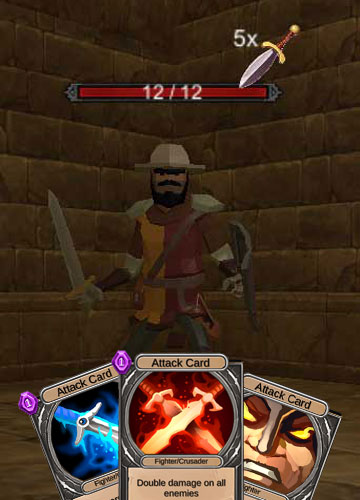
Early Access to the TimeRef card-based Adventure Game.
Medieval Town - Early Access
Explore the medieval town.
Medieval Village - Early Access
Explore the medieval village.
Medieval Abbey - Early Access
Explore the medieval abbey.
Medieval Theatre - Early Access
Explore the medieval theatre.
Medieval Heraldry
Learn about medieval shield design.
Details
Design your own medieval Coat of Arms.
Design your shield